

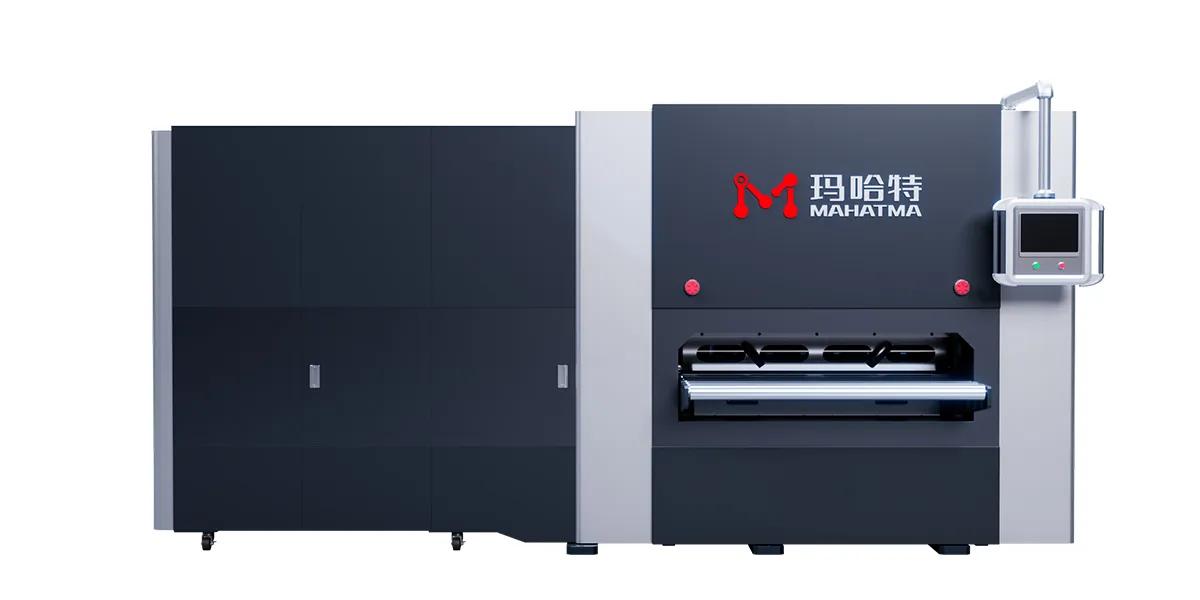
Hydraulic Leveling Machine technology plays an important role in industries where precise positioning, stable support, and controlled movement are essential. From heavy manufacturing facilities to construction and material-handling applications, leveling equipment helps maintain accuracy while reducing unwanted movement. MAHATMA GROUP provides industrial solutions designed to support demanding operational requirements with dependable performance and practical engineering.
What Is a Hydraulic Leveling Machine?
A Hydraulic Leveling Machine is an industrial system designed to adjust, support, or level heavy equipment and structures using hydraulic pressure. Unlike manual leveling methods, hydraulic systems can provide controlled movement with less physical effort. This makes them suitable for applications where large loads need to be positioned accurately and safely.
Hydraulic technology uses pressurized fluid to generate force. Depending on the machine design, hydraulic cylinders, pumps, valves, and control mechanisms work together to raise, lower, or adjust equipment. This controlled operation can help manufacturers achieve consistent positioning during installation, production, maintenance, and alignment procedures.
How Does Hydraulic Leveling Improve Industrial Accuracy?
Industrial machinery often needs to remain properly aligned to deliver consistent results. Even a small difference in height or positioning can affect production quality, equipment performance, and operational safety.
A Hydraulic Leveling Machine can provide controlled adjustments that make it easier to achieve the required position. Hydraulic force allows operators to handle substantial loads while maintaining smoother movement. This can be especially useful when working with heavy machinery, production systems, platforms, or other industrial components that cannot be conveniently adjusted by hand.
Another advantage is repeatability. When a leveling system is properly designed and maintained, operators can make adjustments with greater consistency. This can support efficient installation and reduce the time required for manual corrections.
What Are the Main Benefits?
Choosing suitable hydraulic leveling equipment can provide several practical benefits for industrial operations.
Improved stability: Proper leveling helps equipment remain stable during operation and can minimize unwanted movement.
Controlled positioning: Hydraulic mechanisms allow gradual and precise adjustments rather than relying entirely on manual force.
Reduced physical effort: Operators can manage heavy loads more efficiently compared with traditional manual leveling techniques.
Better productivity: Faster setup and adjustment can reduce downtime during installation, maintenance, or production activities.
Adaptability: Hydraulic systems can be engineered for different load requirements, working environments, and industrial applications.
For businesses handling heavy equipment regularly, these benefits can contribute to smoother workflows and more dependable operations.
Where Can It Be Used?
A Hydraulic Leveling Machine can be useful across multiple industrial environments. Manufacturing plants may use hydraulic leveling solutions for positioning machinery and supporting production equipment. Construction-related operations can benefit from controlled leveling when working with heavy structures or equipment.
Material-handling facilities may also require hydraulic systems for applications involving substantial loads. Other possible uses include equipment installation, industrial maintenance, machine alignment, fabrication environments, and specialized production processes.
The exact configuration depends on factors such as load capacity, required adjustment range, operating conditions, available space, and the level of precision needed.
How Should You Choose the Right System?
Selecting hydraulic leveling equipment should begin with a clear understanding of the application. Load requirements are one of the most important considerations because the system must safely handle the intended weight.
The required leveling range should also be evaluated. Some applications may need only minor height adjustments, while others require a greater operating range. Hydraulic pressure, cylinder specifications, structural strength, control options, and installation requirements should also be considered.
Environmental conditions are another important factor. Dust, moisture, temperature variations, and continuous operation can influence equipment selection and maintenance requirements. Working with an experienced industrial equipment provider can help businesses identify a configuration that matches their operational needs.
Why Is Maintenance Important?
Regular maintenance is essential for keeping hydraulic equipment operating reliably. Hydraulic fluid should be checked according to the manufacturer's recommendations, while hoses, cylinders, seals, valves, and connections should be inspected for signs of wear or leakage.
Proper maintenance can help identify potential issues before they cause unexpected downtime. Operators should also follow recommended load limits and operating procedures to support safe and efficient performance.
Why Choose MAHATMA GROUP?
MAHATMA GROUP focuses on providing practical industrial solutions for businesses requiring dependable equipment and engineering support. When selecting a Hydraulic Leveling Machine, businesses can benefit from considering equipment quality, application suitability, operational efficiency, and long-term reliability rather than focusing only on initial cost.
A well-matched hydraulic leveling solution can simplify heavy-duty positioning, improve stability, and support more consistent industrial operations. With the right specifications and appropriate maintenance, hydraulic leveling technology can become a valuable part of an efficient manufacturing or industrial workflow.